
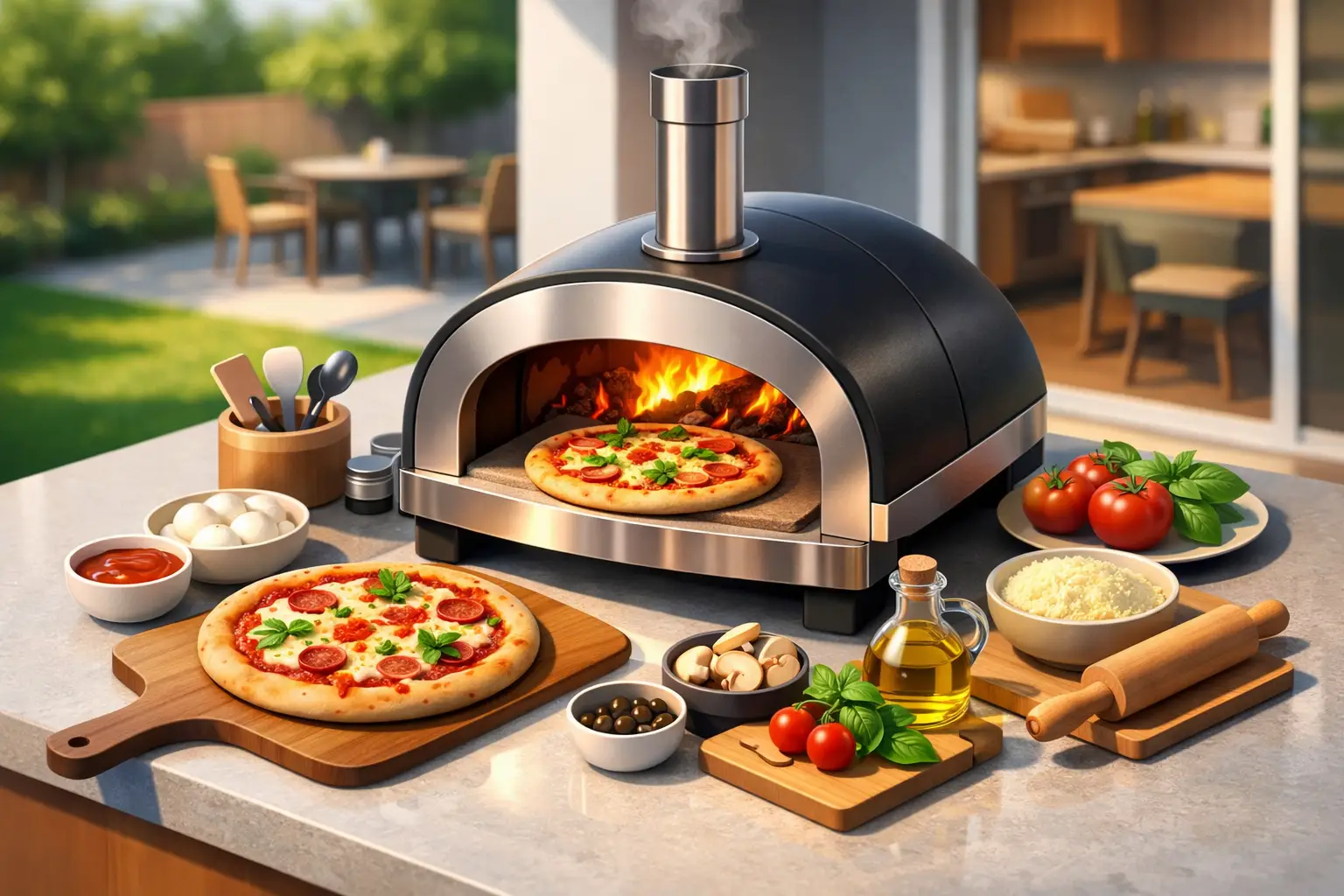
Why Use a Pizza Oven at Home?
Why use a pizza oven at home? From higher heat to better flavour and faster cooking, see why a pizza oven transforms outdoor cooking.

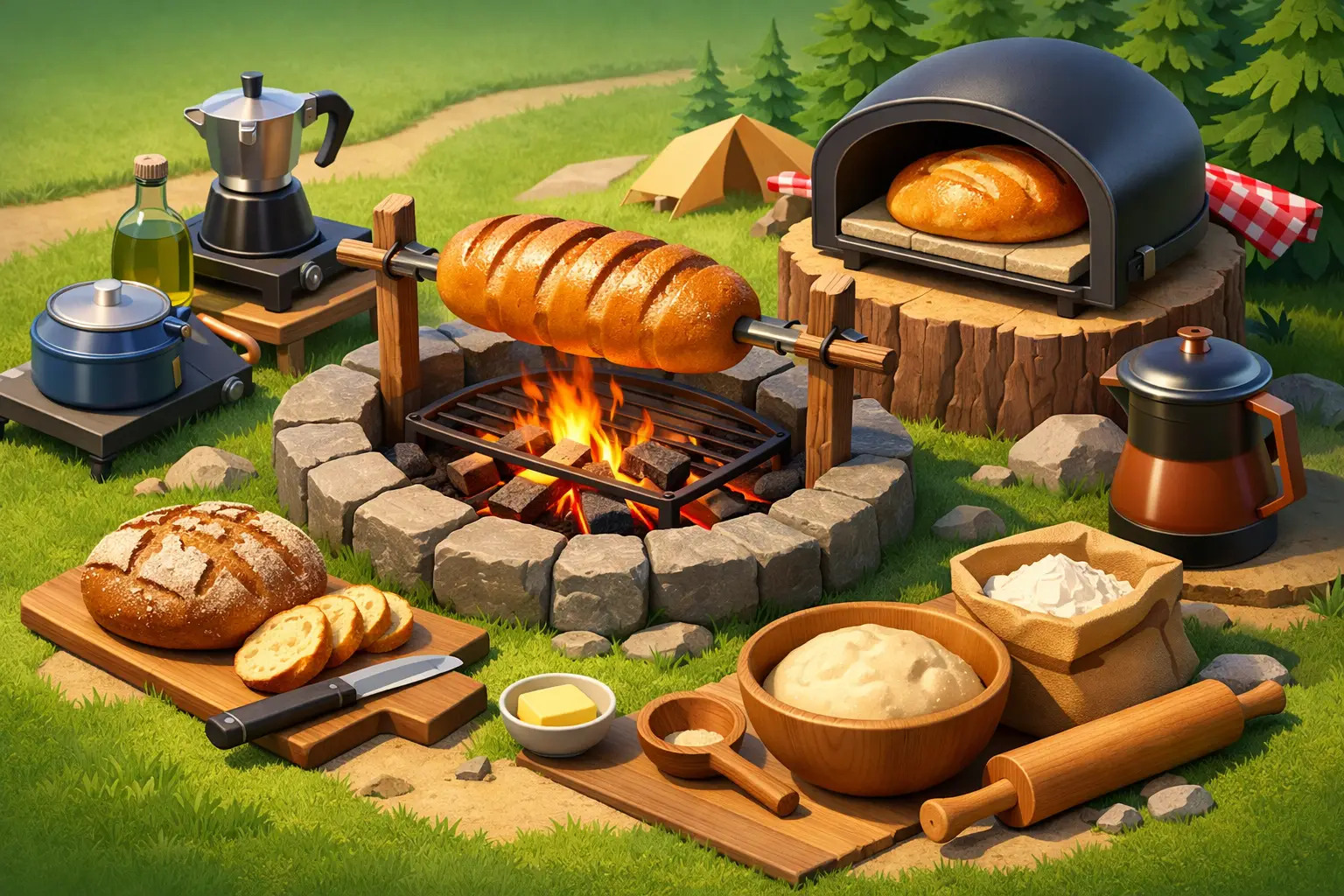
Nothing reveals the quality of an outdoor oven quite like a loaf of bread. Pizza is fast and theatrical, but bread asks more of your oven and more of the cook. It demands steady heat, proper insulation and the confidence to let fire, stone and dough work together. If you want to know how to cook bread outdoors, the answer is not simply hotter or longer. It is about managing heat with intent, choosing the right dough, and understanding how outdoor conditions shape the bake.
Bread has always suited live-fire cooking. Long before modern kitchen ovens became standard, loaves were baked in retained-heat masonry ovens, where the chamber was heated thoroughly and the bread baked after the flames had settled. That same principle still delivers the best results outdoors.
A well-made outdoor oven brings advantages that a domestic oven often struggles to match. The floor stores heat, the chamber radiates it evenly, and the natural circulation of hot air helps develop a strong rise and a crust with genuine character. You are not just baking a loaf outside. You are baking in an environment built for depth of flavour, caramelisation and texture.
This is where craftsmanship matters. An oven with proper insulation and precise engineering will hold heat more consistently, which makes bread far more forgiving. For anyone investing in outdoor cooking as a serious part of home entertaining, bread is one of the clearest ways to use that capability beyond pizza.
The biggest mistake is treating bread like pizza. Pizza thrives in very high heat and bakes in moments. Bread needs strong heat too, but it needs balance more than extremes.
In a wood-fired oven, the goal is usually to saturate the chamber and floor with heat first. Once that mass is fully heated, you can either bake with a live fire maintained to one side or let the oven fall slightly and use retained heat. Which approach works best depends on the style of bread. Flatbreads and smaller rolls can benefit from a livelier fire, while larger artisan loaves usually respond better to a more stable, moderate chamber.
Petrol-fired and hybrid outdoor ovens can make this process even more controllable. With petrol, you can build and maintain a predictable baking environment, which is especially useful when outdoor temperatures shift or you are baking several batches over an afternoon. Hybrid flexibility is valuable if you enjoy the flavour and ritual of wood but also want the precision of petrol when consistency matters.
For most crusty loaves, you are aiming for a hot floor and a chamber temperature that is assertive but not fierce. Too much direct heat and the crust colours before the centre is ready. Too little, and the loaf spreads, dries out or bakes pale.
Retained heat is the traditional choice for larger loaves because it gives a more even bake. You fire the oven thoroughly, allow the flames to subside, manage the embers, and bake with the heat stored in the oven structure. This creates a calmer environment and reduces the risk of scorching the top before the crumb has set.
Live flame can work well for smaller breads, enriched doughs and cooks who know their oven intimately. The trade-off is that you must rotate more often and watch colour carefully. A live fire introduces movement and variation. That can be part of the appeal, but it rewards attention.
A premium oven will improve your bread, but it cannot rescue poor dough. Outdoor baking rewards simple formulas done well. Start with a straightforward white or country-style loaf before attempting high-hydration sourdoughs or heavily seeded doughs.
Bread dough for outdoor ovens should be well developed and properly fermented. Under-proofed dough can burst unpredictably in the heat. Over-proofed dough may collapse when transferred or bake without proper structure. In either case, the oven gets blamed for what is really a dough issue.
Hydration is worth considering carefully. Wetter doughs can produce beautiful, open crumbs, but they are harder to handle and more sensitive to floor temperature. If you are learning how to cook bread outdoors, a slightly more manageable dough will give better early results. Aim for confidence first, then complexity.
Shaping also matters outdoors because loading needs to be decisive. A taut surface helps the loaf hold its form and rise upwards. Use flour sparingly during shaping and loading. Too much loose flour on the base can burn on the oven floor and leave a bitter note.
This is the skill that separates average outdoor bread from excellent outdoor bread. An oven thermometer is useful, but it should not be your only guide. Learn to read the oven itself.
If the floor is too hot, the base of the loaf will catch before the interior has time to bake through. If the chamber roof is lagging behind, you may get weak oven spring and dull colour. Ideally, both the baking floor and upper chamber are properly heated so the loaf receives strong bottom heat and radiant top heat together.
Wood-fired ovens often have hot spots, especially near the live fire or where the flame path travels. That is normal. The solution is not to chase perfect uniformity but to know where those zones are and rotate the loaf at the right time. In breezy British weather, heat retention and door management matter even more. Every extra moment with the door open changes the bake.
A good loaf usually wants steam at the beginning of the bake. Steam delays crust setting, allowing the bread to expand fully and giving you a thinner, glossier crust. In an indoor oven, bakers often use trays of water or ice. Outdoors, the method depends on the oven design.
Some bakers place a small metal tray inside briefly. Others introduce moisture with a damp cloth on a peel or use the natural humidity of the chamber after firing. The important point is restraint. You want enough steam to support spring and crust, not so much that the oven loses heat or the crust turns leathery.
When the dough is ready and the oven is properly heated, everything becomes more fluid. Score the loaf with purpose so it expands where you want it to. Load it cleanly onto the hottest suitable part of the floor, usually away from any aggressive flame.
Then leave it alone for the first stage of the bake. Opening the door too often wastes heat and interrupts spring. Once the loaf has set and begun to colour, rotate if needed for even baking. Larger loaves may also benefit from being moved to a slightly gentler part of the chamber later on.
The exact timing depends on loaf size, hydration, oven type and weather. That is one of the honest realities of outdoor baking. There is no single minute-mark that works for every oven. Better cues are colour, aroma, crust firmness and the feel of the loaf when lifted. A finished loaf should feel lighter than expected and sound hollow when tapped underneath.
Most problems come down to impatience. The oven has not been heated thoroughly enough, the dough went in before it was ready, or the loaf was judged too early. Outdoor bread rewards a slower approach.
Another common issue is chasing excessive heat because pizza habits carry over. Bread needs authority, not aggression. A beautifully baked loaf comes from controlled heat, not spectacle.
Finally, many cooks underestimate recovery time between bakes. If you are baking multiple loaves for guests, the oven floor may need time to regain balance. Premium outdoor ovens with strong thermal performance make this easier, but even the finest oven still benefits from a cook who respects its rhythm.
Keep notes. Record the dough hydration, proving time, weather conditions, floor heat, chamber heat and bake result. This sounds meticulous, but it is how serious cooks become consistently good. Bread is wonderfully honest. It tells you exactly what the oven was doing.
If your ambition is to create authentic outdoor cooking experiences at home, bread deserves a regular place in the routine. It fills the garden with a different kind of theatre than pizza, quieter perhaps, but no less impressive. A properly baked loaf served warm at an outdoor table says something about care, confidence and the quality of the oven behind it.
For those who choose a precision-built oven from a heritage-led maker such as Fontana Forni UK, that capability is part of the point. A true outdoor oven should do more than one thing well. It should turn fire and craftsmanship into food worth gathering around.
The best way to start is not with a complicated formula or a showpiece sourdough. It is with one good dough, one properly heated oven and the patience to learn how your bread responds to the fire. After that, every loaf becomes part of the education, and the rewards only get better.
Why use a pizza oven at home? From higher heat to better flavour and faster cooking, see why a pizza oven transforms outdoor cooking.
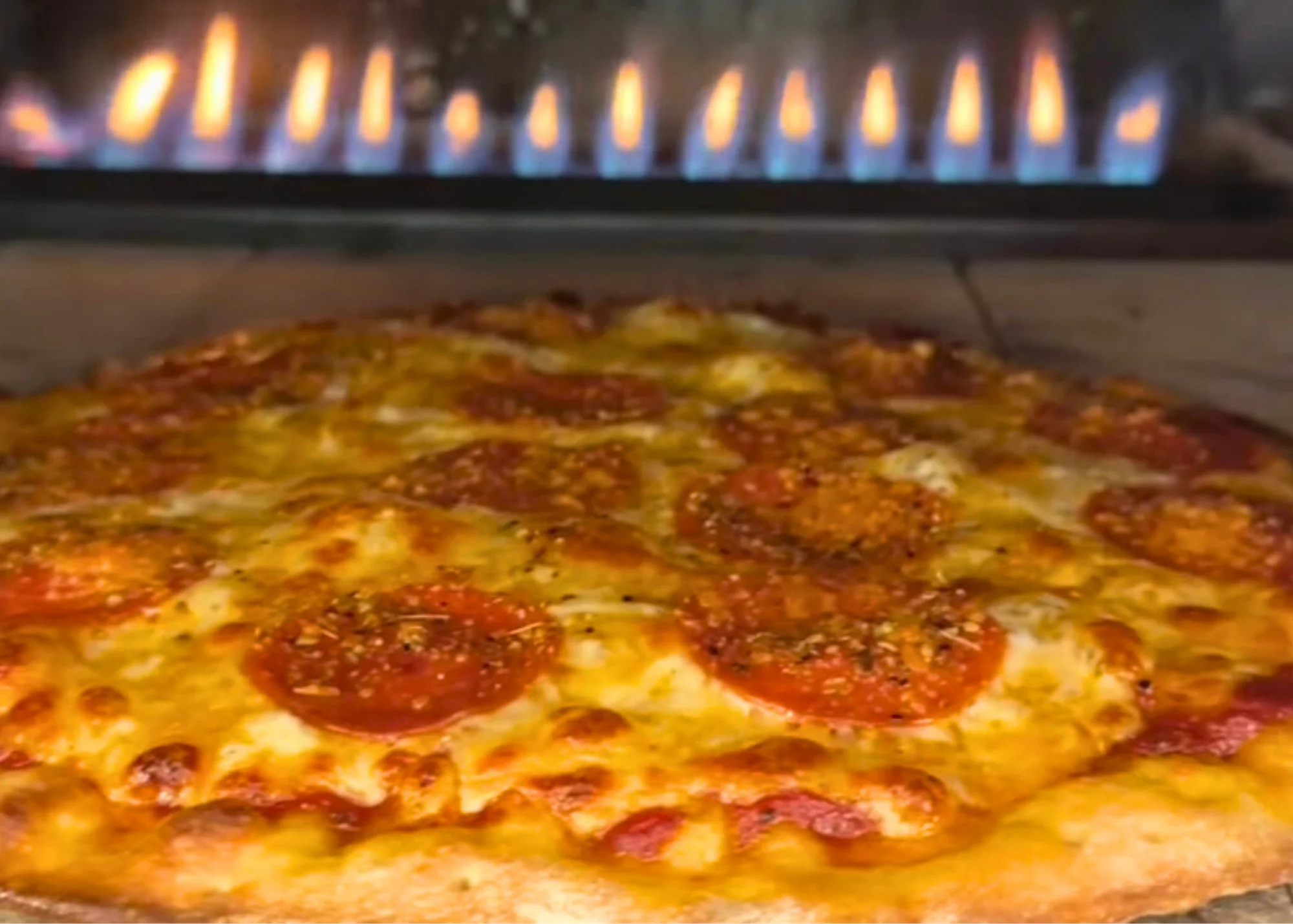
Chicago Tavern Style Pizza is a is a crispy, thin crust pizza cut into squares as opposed to wedges. You